Selling fresh food when the markets shut.
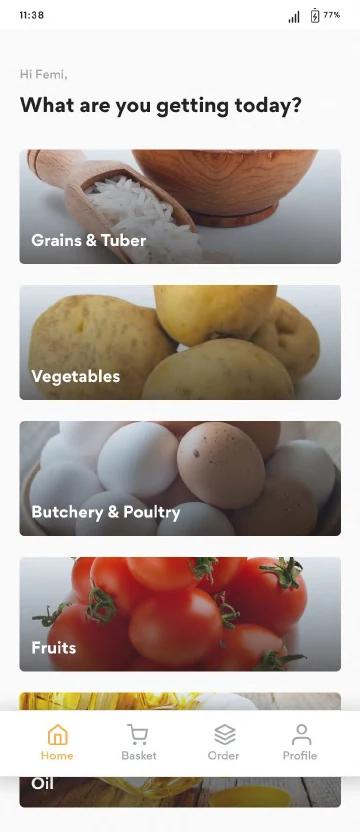
When the 2020 lockdown closed physical markets in Lagos, Farmcrowdy Foods combined app, WhatsApp and phone ordering with visible MeatHub pickup locations so households could order fresh food they could trust.
The access problem
The lockdown created a specific, urgent food-access problem: physical markets were closed or unsafe, hygiene concerns were high, and most households had never ordered fresh meat online. The product had to earn first-time trust in a category where freshness and handling are exactly what a website cannot show.
Before the storefront, the category had to be understood
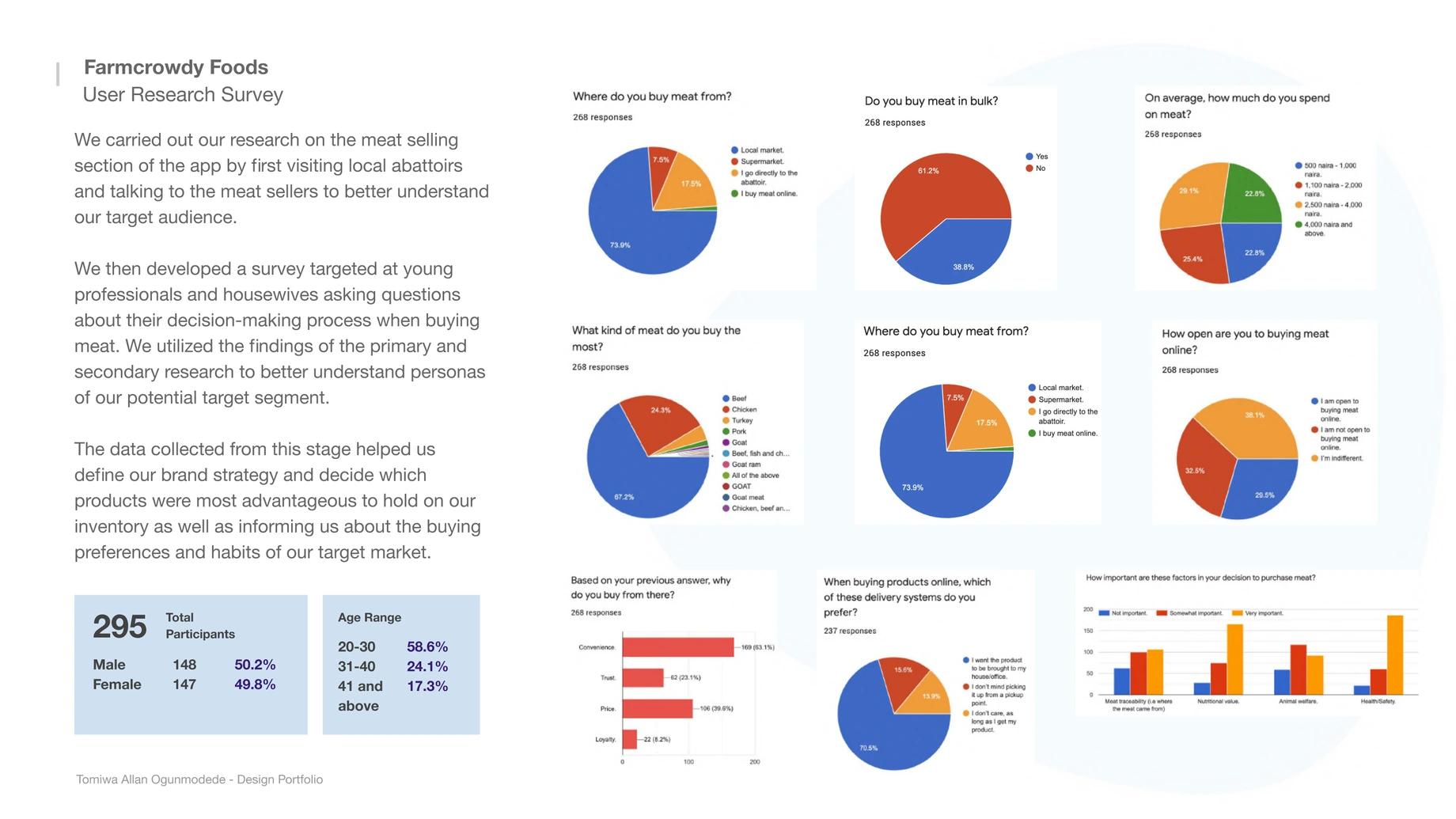
Buying meat online was not ordinary behaviour for this audience, and the research said so plainly. The work started off-screen — visits to local abattoirs and conversations with the people who sell meat — before a survey went out to young professionals and housewives. 295 people took part in the survey overall.
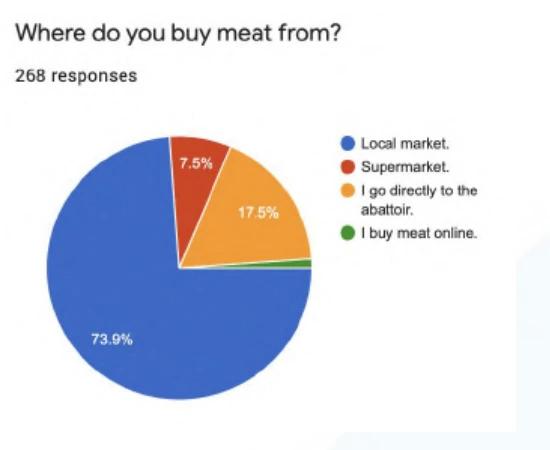
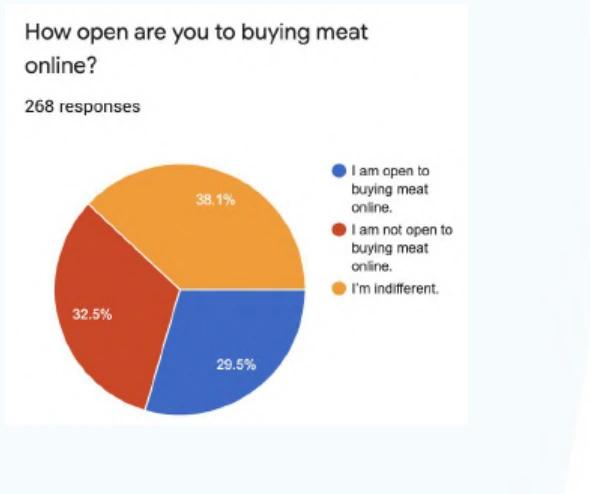
Individual questions were answered by different numbers of people, so each finding carries its own denominator. Of the 268 who answered where they buy meat, 73.9% used local markets, 17.5% bought directly from an abattoir, 7.5% used a supermarket and roughly 1.1% bought online. Asked how open they were to buying meat online, those same 268 split three ways: 29.5% open, 32.5% not open, 38.1% indifferent.
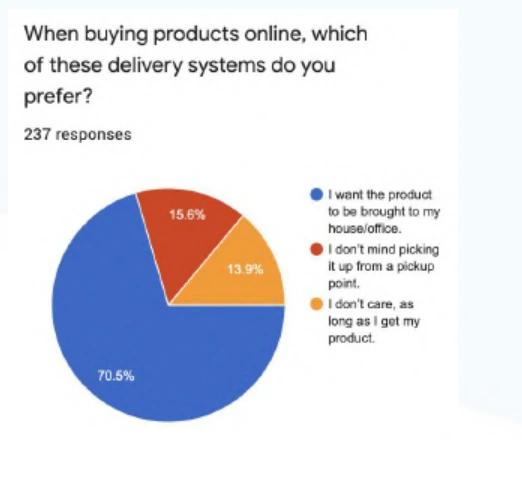
Then the contradiction that made the project interesting. Among the 237 people who answered the fulfilment question, 70.5% preferred home delivery, 15.6% wanted to collect and 13.9% had no strong preference as long as the food arrived.
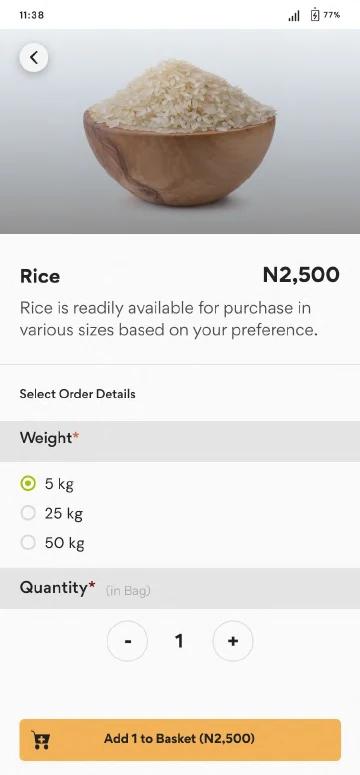
So the audience wanted the thing online retail is good at without yet trusting the category it belonged to. That is a design brief rather than a demand signal, and it set the constraints: category, cut, pack size, price and fulfilment all had to be stated explicitly enough to stand in for the seller who would normally be in front of you, and delivery had to be designed as part of the product rather than as the last step of a checkout.
Scroll the frame sideways to read the full width.
Meet people on the channel they already trust
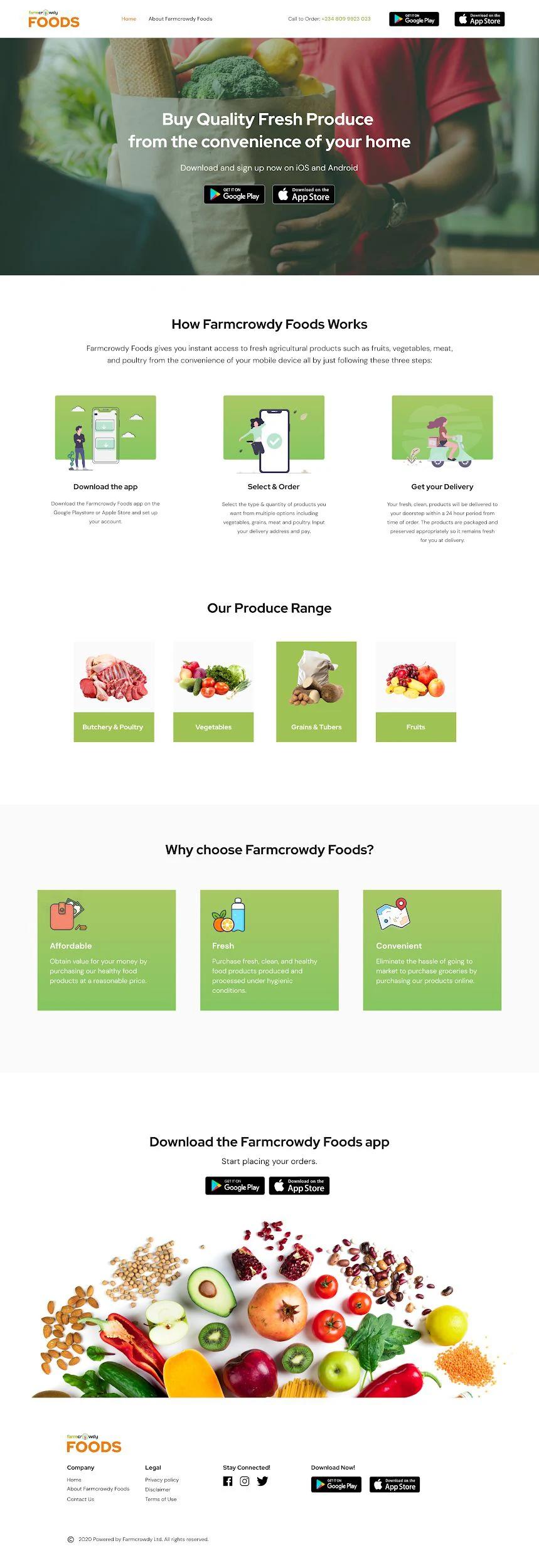
Rather than forcing every customer through one app, ordering ran across the channels people already used — the app, WhatsApp and phone — backed by the same fulfilment operation. Visible MeatHub pickup locations anchored the service in physical places customers could verify, which mattered more for trust than any interface element.
The design work was making those channels feel like one service: consistent product information, consistent order confirmation, and clear expectations about preparation, hygiene and pickup or delivery.
Scroll the frame to see the full page.
Result
Farmcrowdy Foods launched publicly in April 2020. The September 2020 company profile recorded 3,567 unique orders, 831 unique customers and $33,000 in transaction revenue. These are company figures attributed to that profile; they describe the operation the design work supported, not the isolated effect of any one screen or channel.
Research shaped the launch and the team programme
Of 295 survey participants, 268 answered the purchase-channel question and 237 answered the fulfilment question. Local markets accounted for 73.9% of reported meat purchases, while 70.5% of fulfilment respondents preferred home delivery. That gap shaped a launch with ecommerce alongside WhatsApp, phone ordering and physical MeatHub pickup.
As Head of Products and Program Management, I coordinated product definition with design, content, marketing and operations colleagues. The September 2020 company profile recorded 3,567 unique orders, 831 customers and $33,000 in transaction revenue. Those are achieved company trading figures. The acquisition and open-rate numbers in the strategy deck were targets, so I have not presented them as performance.